Magical & Exotic India Tours

Explore Magical & Exotic India Tours with Private Guides

Explore Magical & Exotic India Tours with Private Guides

Our intention is to create magical and exotic experiences that allow our travellers to discover the unique travel destinations of India with expert local guides, personal drivers, handpicked hotels and tailor-made itineraries.

India is a vast and diverse country with a rich cultural heritage, history, and natural beauty. From the snow-capped Himalayas in the north to the tropical beaches of the south, from the bustling cities to the serene countryside, India offers a wide range of experiences for all kind travelers.

Whether you're seeking a luxurious retreat, an adventurous journey, or a cultural immersion, our team is dedicated to creating a bespoke experience that aligns perfectly with your vision. Let us transform your travel dreams into reality with a customized itinerary designed just for you.
Most Beautiful and Famous Travel Destinations of North India

Delhi

Delhi is the capital city of India and is located in the northern part of the country. It has a rich history and has been the capital of various kingdoms and empires throughout its history. Today, Delhi is a bustling metropolis and is home to many government buildings, educational institutions, cultural sites, and business centres.
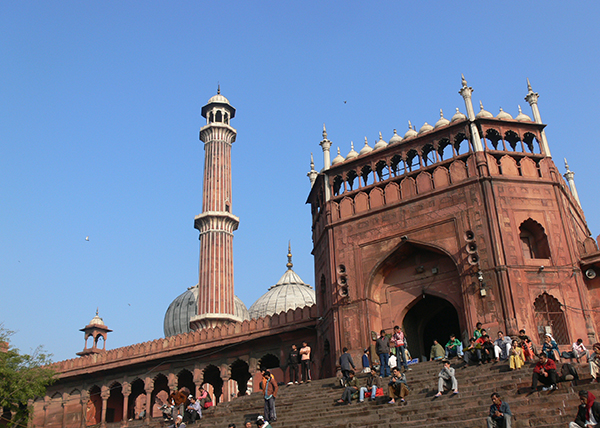
Some of the most popular attractions in Delhi include the Red Fort, Jama Masjid, Qutub Minar, India Gate, Lotus Temple, and Akshardham Temple. The city is also known for its street food, shopping markets, and vibrant nightlife.

Agra

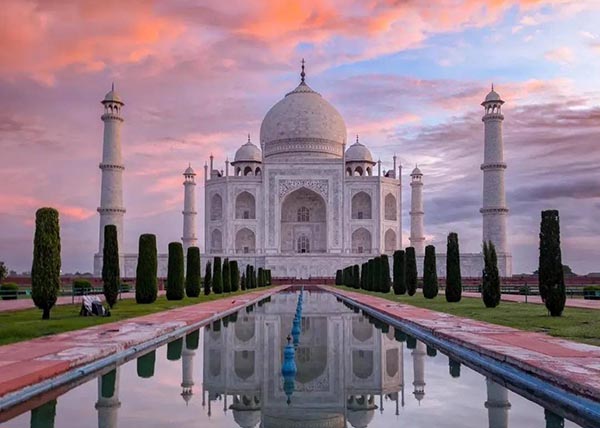
Agra located in the northern state of Uttar Pradesh, India. It is most famous for being the home of the Taj Mahal, one of the most iconic and considered one of the most beautiful buildings in the world. The Taj Mahal is a mausoleum made of white marble and was built by Mughal Emperor Shah Jahan in memory of his wife Mumtaz Mahal.
Apart from the Taj Mahal, Agra is also home to other historic sites such as Agra Fort and Fatehpur Sikri, both of which are UNESCO World Heritage Sites. The city has a rich history and was once the capital of the Mughal Empire. Agra is also famous for its handicrafts, particularly inlay work using precious and semi-precious stones.

jaipur

Jaipur located in the northern state of Rajasthan, India. It is known as the "Pink City" because of the pink-colored buildings in the old part of the city. The city was founded in 1727 by Maharaja Sawai Jai Singh II and is famous for its rich history, cultural heritage, and stunning architecture.
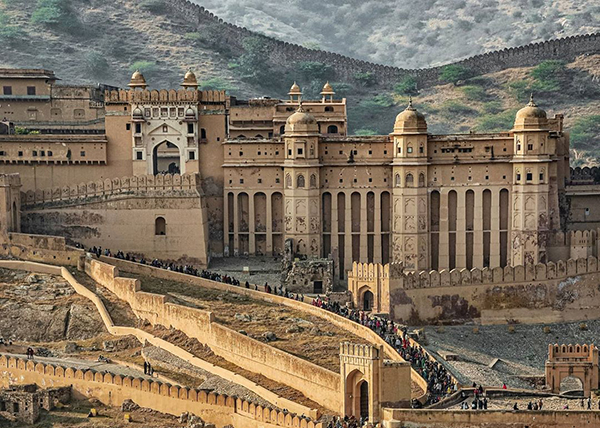
Jaipur is home to many iconic landmarks and attractions, such as the Hawa Mahal, City Palace, JantarMantar, and Amber Fort. These monuments showcase the unique blend of Rajasthani and Mughal architectural styles and are visited by thousands of tourists every year.
Apart from its historic and cultural attractions, Jaipur is also famous for its vibrant markets, which offer a wide range of traditional Rajasthani handicrafts, textiles, and jewelry. The city is also known for its cuisine, which includes popular dishes such as dal batichurma, gattekisabzi, and laalmaas.

Puskar

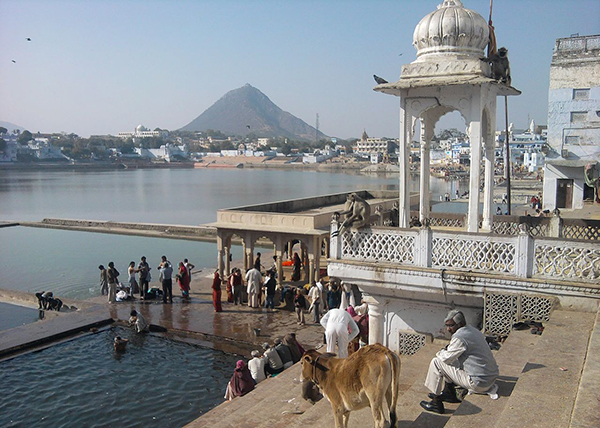
Pushkar is a holy city for Hindus and is home to the famous Brahma Temple, one of the few temples in the world dedicated to Lord Brahma, the creator of the universe according to Hindu mythology. The city is also located near the Pushkar Lake, which is considered a sacred site for Hindus and is believed to have healing powers.
Apart from its cultural and religious significance, Pushkar is also known for its vibrant arts and crafts scene, particularly its textiles and jewelry. The town has a laid-back atmosphere and is popular with backpackers and travelers seeking a more authentic and offbeat experience.
Pushkar town located in the state of Rajasthan in India. It is known for its annual Pushkar Camel Fair, which attracts thousands of tourists and traders from all over the world. The fair takes place in November and features camel races, traditional music and dance performances, and a large cattle market.

Udaipur

Udaipur, formerly the capital of the Mewar Kingdom, is a city in the western Indian state of Rajasthan. Founded by Maharana Udai Singh II in 1559, Udaipur, known for its scenic lakes, historic palaces, and vibrant cultural heritage, is often considered one of the most romantic cities in India. It’s a great destination for history enthusiasts, nature lovers, and those interested in experiencing traditional Rajasthani culture

Jaisalmer

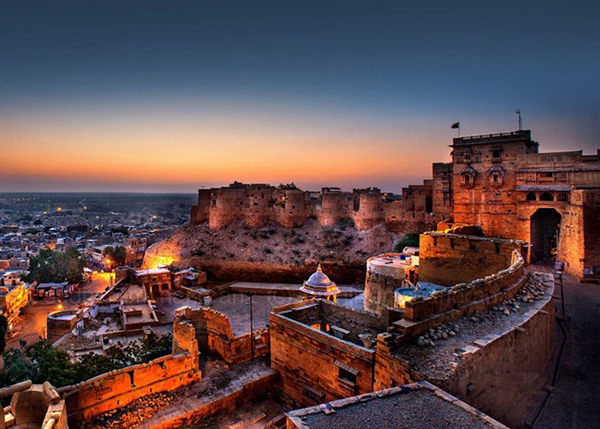
Jaisalmer is a golden city in the heart of the Thar Desert, where history and adventure await you. Explore the magnificent Jaisalmer Fort, a living museum of Rajasthani culture and architecture, where you can admire the royal palace, the ornate havelis, and the stunning views of the desert. Visit the mysterious ghost town of Kuldhara, where a legend of love and betrayal still haunts the ruins. Experience the thrill of a camel safari, a desert camp, and a starry night under the clear sky. Jaisalmer is a place where you can discover the beauty and mystery of the desert

varansi

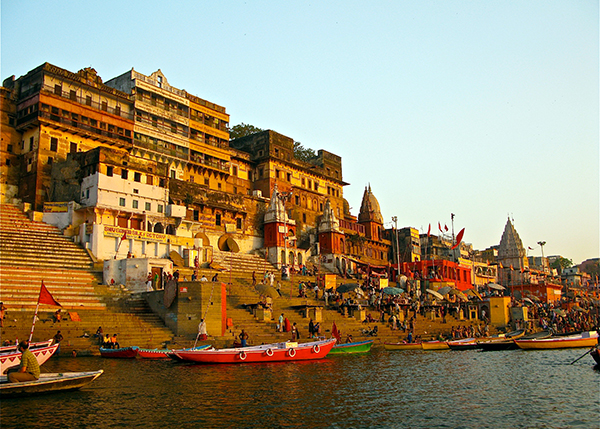
Varanasi, also known as Banaras, is one of the oldest continuously inhabited cities in the world, with a history that dates back more than 5,000 years. Varanasi is considered a holy city in Hinduism, Buddhism, and Jainism, and is one of the seven sacred cities in Hinduism.
Varanasi is located on the banks of the Ganges River, which is considered sacred by Hindus. The city is famous for its ghats, or steps leading down to the river, where pilgrims come to bathe in the holy waters of the Ganges and perform religious rituals. The city is also known for its many temples, including the KashiVishwanath Temple, one of the most famous Hindu temples in India.
Apart from its religious significance, Varanasi is also known for its rich cultural heritage and is a center for traditional arts and crafts such as silk weaving, wooden toys, and ivory work. The city is also famous for its street food, including chaat, lassi, and paan.

Dharamshala

Dharamshala, located in the Kangra district of Himachal Pradesh, India, is a popular hill station known for its natural beauty, Tibetan culture, and spirituality. It is the residence of the Dalai Lama, the spiritual leader of Tibet, and is often referred to as "Little Lhasa."
Dharamshala is divided into two parts: the lower town of Dharamshala and the upper town of McLeod Ganj. McLeod Ganj is the center of the Tibetan community in exile and is home to several Tibetan monasteries, temples, and cultural centers. The town also has a vibrant arts and crafts scene, with shops selling traditional Tibetan handicrafts such as thangkas, prayer flags, and incense.
Apart from its Tibetan connections, Dharamshala is also known for its natural beauty and is a popular destination for trekking and hiking enthusiasts. The town is surrounded by lush forests, waterfalls, and tea gardens, and offers many scenic trails for nature lovers.

Rishikesh

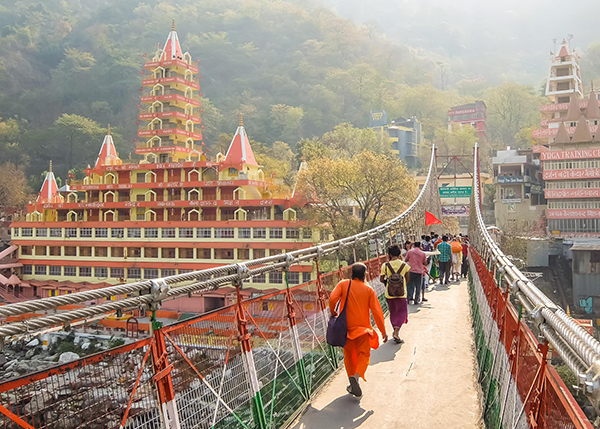
Rishikesh city located in the northern state of Uttarakhand in India. It is situated in the foothills of the Himalayas and is known as the "Yoga Capital of the World" because of the numerous yoga ashrams and meditation centers located there. Rishikesh is also considered a holy city in Hinduism and attracts many pilgrims who come to take a dip in the river Ganges and visit the many temples in the area. The city is also famous for its adventure activities such as white water rafting, bungee jumping, hiking and trekking in the nearby mountains.

Amritsar

Amritsar is a city located in the northwestern Indian state of Punjab. It is most famous for being the home of the Golden Temple, which is considered the holiest site in Sikhism. The Golden Temple, also known as Harmandir Sahib, is a gilded structure surrounded by a man-made lake and attracts millions of visitors every year.
Apart from the Golden Temple, Amritsar is also known for its vibrant culture and rich history. The city has a long and storied past, having been the center of the Sikh Empire and the site of many important events during India's struggle for independence from British rule.
Amritsar is also famous for its cuisine, which includes dishes such as makkiki roti, sarsonkasaag, and kulchachole. The city has a lively street food scene and is also known for its sweet shops and lassi vendors.

Most Unique Holiday Destinations in South India

Kerala

Kerala is a state located in the southwestern part of India, known for its picturesque backwaters, lush greenery, unique culture, and rich history. It is often referred to as "God's Own Country" due to its natural beauty and diverse landscape.
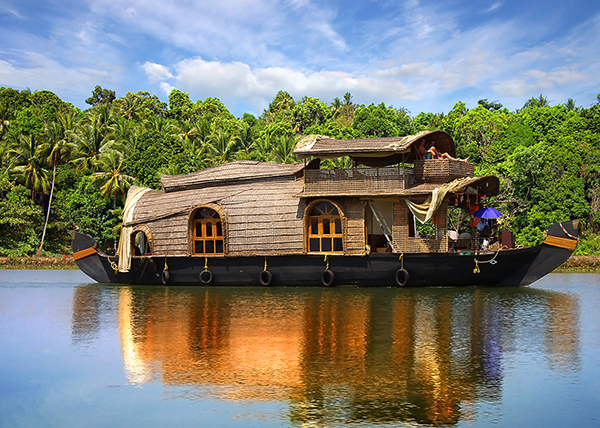
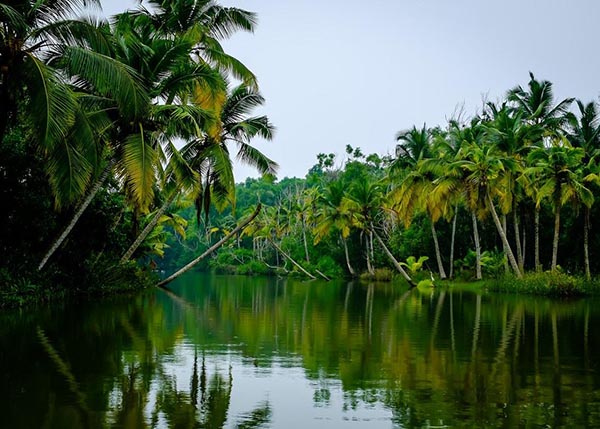
One of the main attractions of Kerala is its backwaters, a network of canals, lagoons, and lakes that stretch along the coast. These backwaters are famous for their serene and peaceful ambiance, with traditional houseboat cruises being a popular activity for tourists. The backwaters are also known for their unique ecosystem, with a variety of flora and fauna, including migratory birds, fish, and aquatic plants.
Kerala is also known for its beautiful beaches, with popular destinations such as Kovalam, Varkala, and Marari offering golden sands, clear blue waters, and breathtaking sunsets. These beaches are known for their relaxed and laid-back atmosphere, with opportunities for swimming, surfing, and Ayurvedic massages.


Tamil Nadu

Tamil Nadu is a state located in the southern part of India, known for its rich cultural heritage, ancient temples, classical dance and music, vibrant festivals, and beautiful beaches. It is one of the oldest and most culturally rich states in India, with a history that dates back to ancient times.
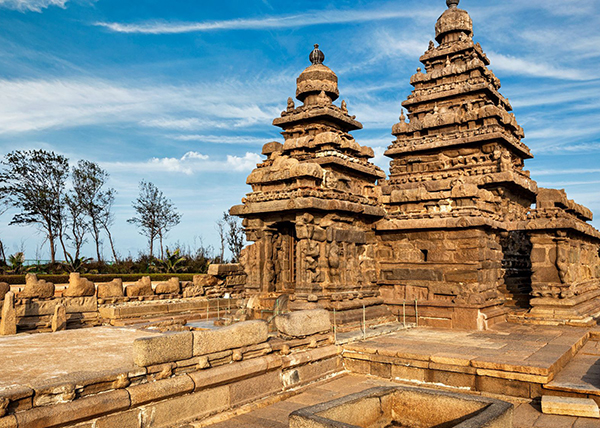
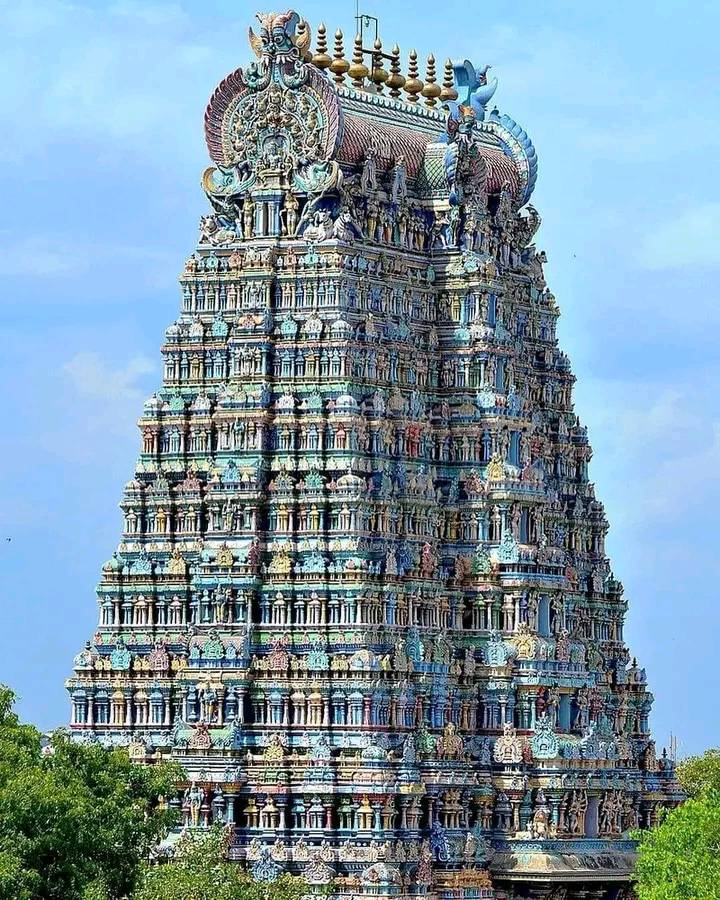
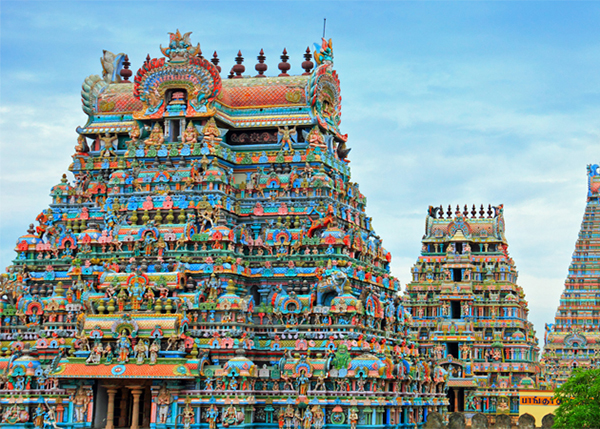
One of the main attractions of Tamil Nadu is its temples. The state is known for its architectural marvels in the form of ancient temples, with intricate carvings, towering gopurams (gateway towers), and stunning sculptures. Temples such as the Brihadeeswara Temple in Thanjavur, Meenakshi Amman Temple in Madurai, and Shore Temple in Mahabalipuram are world-famous and draw millions of tourists and pilgrims each year.
Tamil Nadu is also famous for its classical dance and music forms. Bharatanatyam, a classical dance form, originated in Tamil Nadu and is one of the most popular dance forms in India. Carnatic music, a traditional form of classical music, also has its roots in Tamil Nadu and is known for its soul-stirring melodies and intricate compositions.

Alleppey

Alappuzha or Alleppey is a city on the Laccadive Sea in the southern Indian state of Kerala. It's best known for houseboat cruises along the rustic Kerala backwaters, a network of tranquil canals and lagoons. Alappuzha Beach is the site of the 19th-century Alappuzha Lighthouse. The city's Mullakkal Temple features a traditional design. Punnamada Lake's snake boat races are a well-known annual event.

Munnar

Munnar is a town in the Western Ghats mountain range in India’s Kerala state. A hill station and former resort for the British Raj elite, it's surrounded by rolling hills dotted with tea plantations established in the late 19th century. Eravikulam National Park, a habitat for the endangered mountain goat Nilgiri tahr, is home to the Lakkam Waterfalls, hiking trails and 2,695m-tall Anamudi Peak.

Thekkady

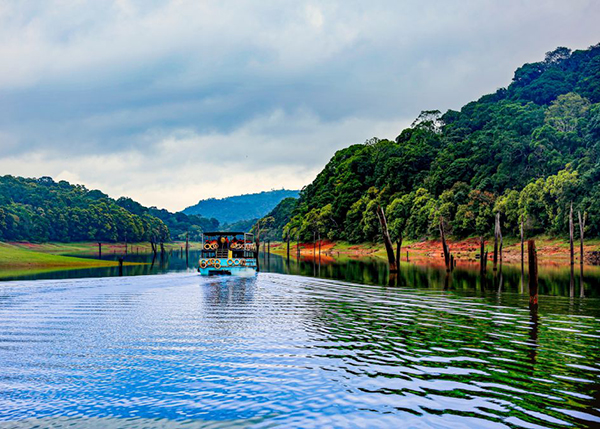
Thekkady is another enchanting destination in Kerala, renowned for its lush landscapes, wildlife, and spice plantations. Located in the Idukki district, it's particularly famous for the Periyar Wildlife Sanctuary. The name Thekkady is derived from the word "thekku" which means teak.

Puducherry

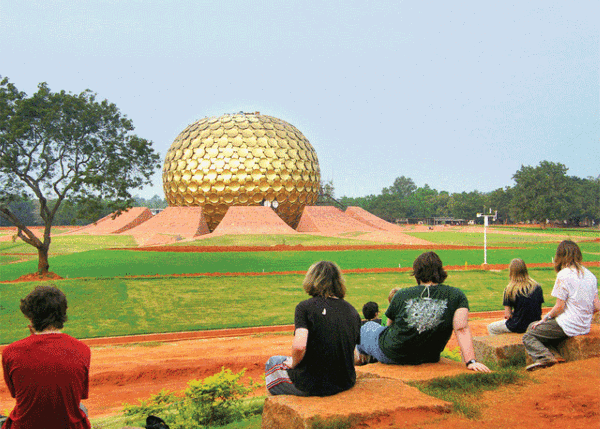
Puducherry: The French Colony: Puducherry, also known as Pondicherry or just "Pondy," is a former French colony and is known for its distinct French influence in its architecture, culture, and cuisine. The French Quarter, Aurobindo Ashram, Auroville, and Paradise Beach are some of the must-visit places in Puducherry.

Madurai

Madurai often referred to as the "Athens of the East," is one of the oldest cities in India with a rich cultural heritage. It's located in the southern state of Tamil Nadu. This city is famous for its historical significance, ancient temples, vibrant festivals, and unique architectural marvels.
The most iconic landmark in Madurai is the Meenakshi Amman Temple, dedicated to Goddess Meenakshi (a form of Parvati) and her consort Lord Sundareswarar (a form of Shiva). The temple is renowned for its stunning architecture, including intricately carved gopurams (tower gateways), vividly painted ceilings, and a vast complex with numerous shrines and halls. The temple also hosts the elaborate and colorful Meenakshi Thirukalyanam festival, celebrating the divine marriage of Meenakshi and Sundareswarar.
Apart from the Meenakshi Amman Temple, Madurai boasts other historical sites such as Thirumalai Nayakkar Palace, a magnificent palace known for its Indo-Saracenic architecture, and the Gandhi Memorial Museum, which showcases the life and work of Mahatma Gandhi. The city's bustling streets, aromatic local cuisine (especially the Madurai street food like Jigarthanda and crispy dosas), and vibrant markets make it a delight for travelers looking to immerse themselves in South Indian culture.

Chennai

Chennai: Gateway to South India: Chennai, the capital city of the state of Tamil Nadu, is often referred to as the "Gateway to South India." It is known for its beautiful beaches, historic temples, and vibrant culture. The Marina Beach, Kapaleeshwarar Temple, Fort St. George, and Government Museum are some of the popular attractions in Chennai.

Mysuru

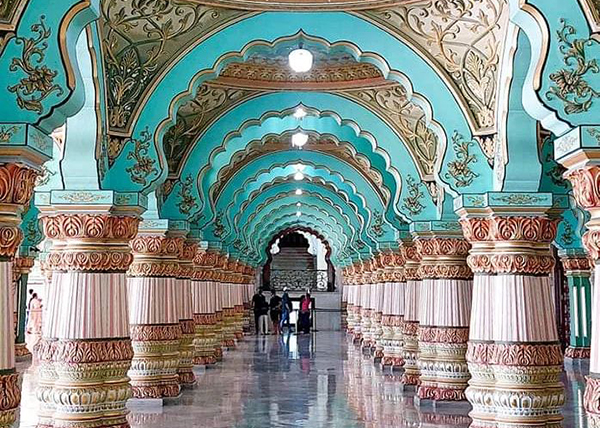
Mysuru: The City of Palaces: Mysuru, also known as Mysore, is a city in the state of Karnataka known for its royal heritage and magnificent palaces. The Mysuru Palace, also known as the Amba Vilas Palace, is a grand palace that attracts tourists from all over the world. Other popular places to visit in Mysuru include the Chamundi Hills, Brindavan Gardens, and Mysuru Zoo.

Hampi

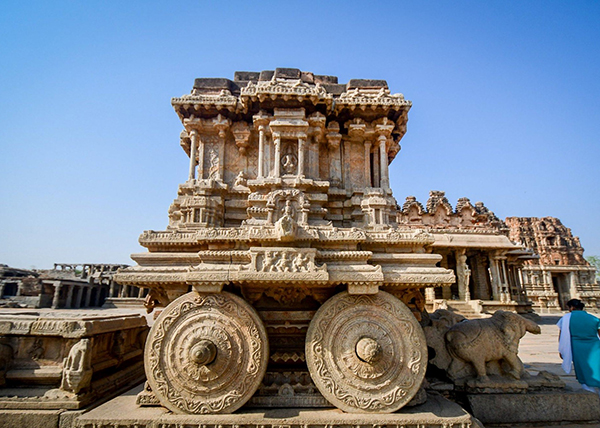
Hampi: The UNESCO World Heritage Site: Hampi, located in the state of Karnataka, is a UNESCO World Heritage Site known for its ruins of the Vijayanagara Empire. The Hampi Bazaar, Virupaksha Temple, Vittala Temple, and Lotus Mahal are some of the must-visit attractions in Hampi. Hampi offers a unique and enriching travel experience, with its mix of historical grandeur and natural beauty. Enjoy your journey through this ancient marvel!

Goa

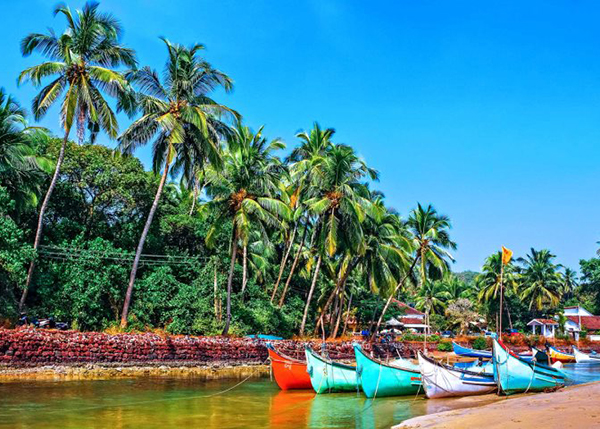
Goa is a state located on the southwestern coast of India, known for its beautiful beaches, vibrant nightlife, and Portuguese colonial architecture. It is the smallest state in India by area and is a popular tourist destination, both for domestic and international travelers.
Goa has a rich cultural heritage and is known for its blend of Indian and Portuguese influences. The state was a Portuguese colony from the 16th century until it was liberated and integrated into India in 1961. This has left a lasting impact on the local culture, cuisine, and architecture, with many churches, cathedrals, and old Portuguese-style buildings dotting the landscape.
One of the main attractions of Goa is its stunning beaches, which stretch along the Arabian Sea coastline. Popular beaches in Goa include Baga, Calangute, Anjuna, and Palolem, which are known for their golden sands, water sports, and beach parties. Goa is also famous for its seafood cuisine, especially its fish curries and spicy prawn dishes.

Famous Travel Destination of Central India

The Ajanta Caves

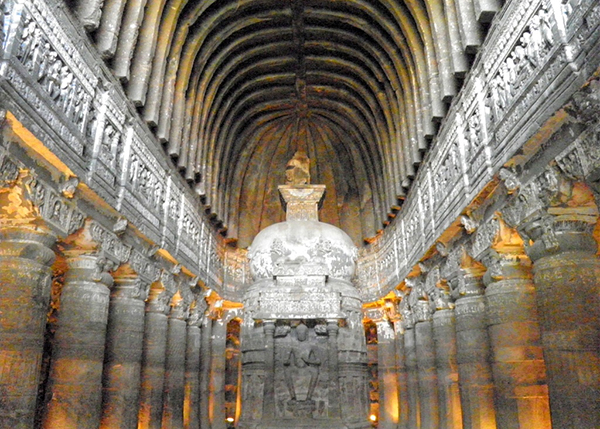
The Ajanta Caves are a group of ancient Buddhist rock-cut cave temples located in the Aurangabad district of Maharashtra, India. These caves are renowned for their exquisite frescoes, intricate sculptures, and rich cultural significance. The Ajanta Caves are recognized as a UNESCO World Heritage site, and considered one of the most important historical and cultural landmarks in India.
The Ajanta Caves date back to the 2nd century BCE and were used by Buddhist monks as a place for meditation, worship, and dwelling. There are a total of 30 caves at Ajanta, carved into the rocky cliffs of the Waghora River. These caves are divided into two phases - the Hinayana (Theravada) phase and the Mahayana phase, reflecting the different stages of Buddhist art and architecture.
The caves at Ajanta are famous for their exquisite frescoes, which depict various scenes from the life of Buddha, Jataka tales (stories of Buddha's previous lives), and other Buddhist legends. The frescoes are known for their intricate details, vibrant colors, and graceful compositions, which reflect the artistic brilliance of ancient India

 The Ellora Caves

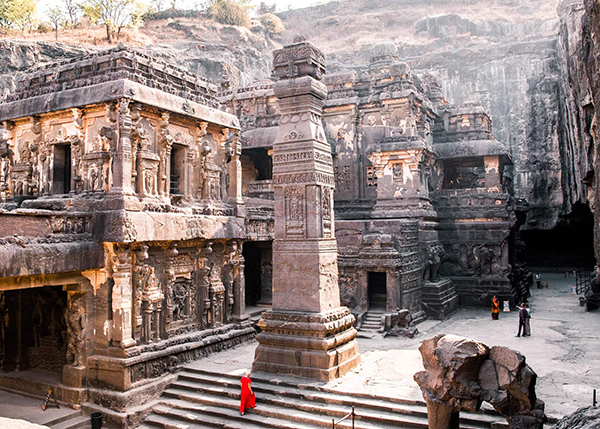
The Ellora Caves are a group of ancient rock-cut caves located in the Aurangabad district of Maharashtra, India. These caves are renowned for their unique combination of Buddhist, Hindu, and Jain religious art and are recognized as a UNESCO World Heritage site. The Ellora Caves are considered one of the most important historical and cultural landmarks in India, showcasing the religious diversity and artistic excellence of ancient India.
The Ellora Caves date back to the 6th to 10th centuries CE and represent a remarkable example of rock-cut architecture. There are a total of 34 caves at Ellora, carved into the Charanandri Hills. These caves are divided into three groups - the Buddhist caves, the Hindu caves, and the Jain caves, reflecting the three major religions that coexisted during that period in India.
The Buddhist caves at Ellora consist of monasteries and chapels with intricately carved sculptures of Buddha and bodhisattvas. The most notable Buddhist cave is Cave 5, also known as the Vishvakarma or the Carpenter's Cave, which features a large Buddha statue in a teaching pose and is considered one of the finest examples of Indian Buddhist art.

Indian Himalayas & Nepal

Gangotri

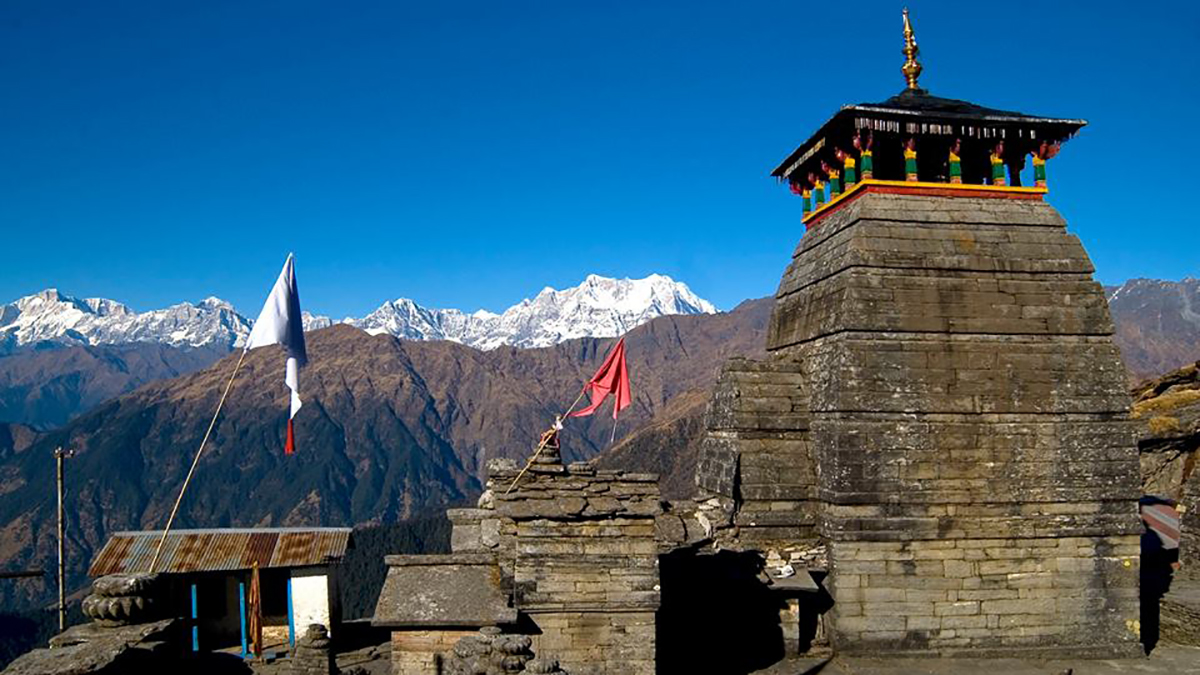
Gangotri holds immense spiritual significance in Hinduism as the source of the holy river Ganges (Ganga). It's located in the Uttarkashi district of the northern Indian state of Uttarakhand, nestled amidst the Garhwal Himalayas. Pilgrims and travelers visit Gangotri to pay homage to the Ganges, which is considered sacred in Hinduism.
The Gangotri Temple, dedicated to Goddess Ganga, is a prominent religious site in the region. It's said to be constructed by the Nepalese general Amar Singh Thapa in the early 18th century and was later renovated by the Maharaja of Jaipur.
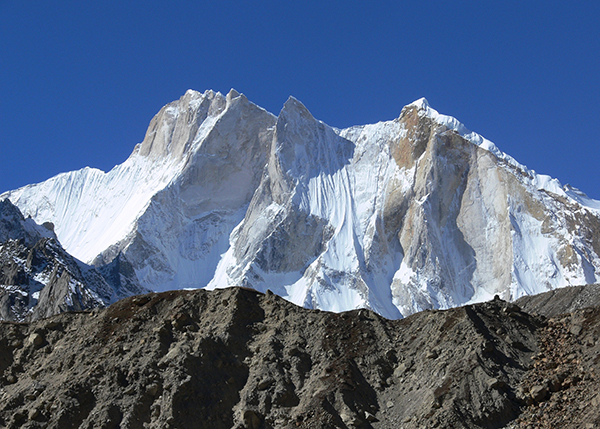
The religious significance, natural beauty, and serene ambiance make Gangotri a revered destination for spiritual seekers and nature enthusiasts alike. Many visitors also continue their pilgrimage further up to Gaumukh, which is believed to be the actual source of the Ganges, marked by a glacier resembling a cow's mouth (hence the name "Gaumukh") The route is stunning, with snow-capped peaks, gushing rivers, and breathtaking valleys that add to the spiritual experience.

Ladakh

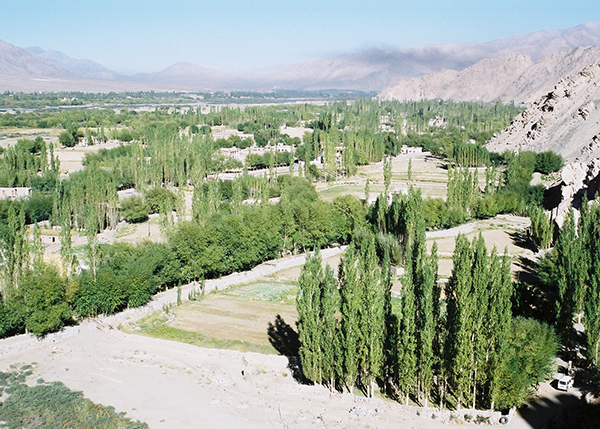
Ladakh is a surprising region located in the northernmost part of India, nestled in the state of Jammu and Kashmir. It's renowned for its breathtaking landscapes, high-altitude deserts, and pristine beauty. The region is marked by its barren yet captivating terrain, including rugged mountains, deep valleys, and the shimmering blue waters of Pangong Lake.
Ladakh is a cultural melting pot with a mix of Tibetan, Indian, and Central Asian influences. The predominant culture is Tibetan Buddhism, visible in the numerous monasteries or gompas spread across the region. These monasteries, such as Thiksey Monastery, Hemis Monastery, and Diskit Monastery, not only serve as spiritual centers but also offer incredible architectural marvels.
The people of Ladakh, primarily Ladakhi and Tibetan, are warm and hospitable, adding to the region's charm. The local cuisine, which includes momos (dumplings), thukpa (noodle soup), and butter tea, reflects the cultural richness of the area.

Nepal

Nepal, nestled between India and China, is a land of diverse landscapes, rich culture, and stunning natural beauty. It's renowned for its towering Himalayan peaks, including the world's highest, Mount Everest. Here are some key aspects:
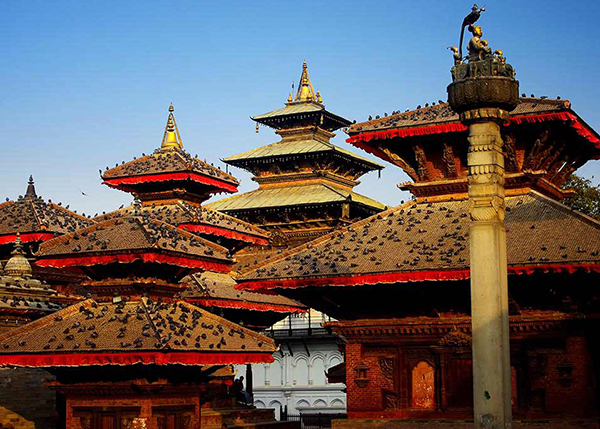
Culture: The cultural tapestry of Nepal is incredibly diverse. It's home to various ethnic groups, each with its own language, traditions, festivals, and customs. Hinduism and Buddhism are the major religions practiced in Nepal, and this spiritual influence is reflected in the myriad temples, stupas, and monasteries scattered throughout the country. The ancient city of Kathmandu, with its Durbar Squares and temples like Swayambhunath (the Monkey Temple) and Pashupatinath, showcases Nepal's rich architectural and religious heritage