First Time Traveling to India

Discover India’s Golden Triangle with Ranthambore – 7N/8D

First Time Traveling to India

Traveling to India is an exciting and immersive experience, offering a perfect blend of history, culture, and natural beauty. Whether you're drawn to exploring ancient temples, discovering bustling cities, relaxing in tranquil landscapes, or participating in vibrant festivals, India has something unique for every traveler. From the iconic Taj Mahal to the spiritual sites in Varanasi, and the beaches of Goa, India’s diversity is unparalleled. Here’s a comprehensive guide to visiting India, the best travel experiences, destinations, and insider tips.

Top Travel Destinations in India

Delhi: The capital city, full of history (Red Fort, Qutub Minar) and modernity (Connaught Place, shopping, and nightlife).
Agra :Home to the world-famous Taj Mahal, a must-see for anyone visiting India..
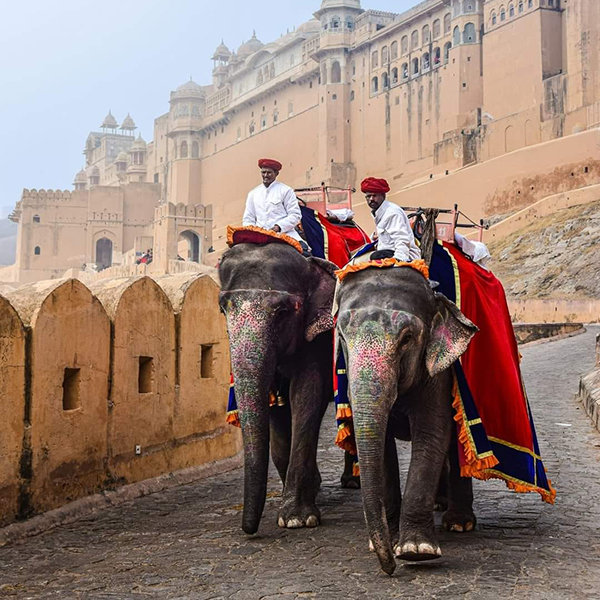
Jaipur: Known as the "Pink City", with stunning palaces and forts like Amber Fort, City Palace, and Hawa Mahal.
Varanasi: One of the oldest cities in the world, famous for its spiritual significance and the Ganges River.
Goa: For beaches, nightlife, and a laid-back vibe.
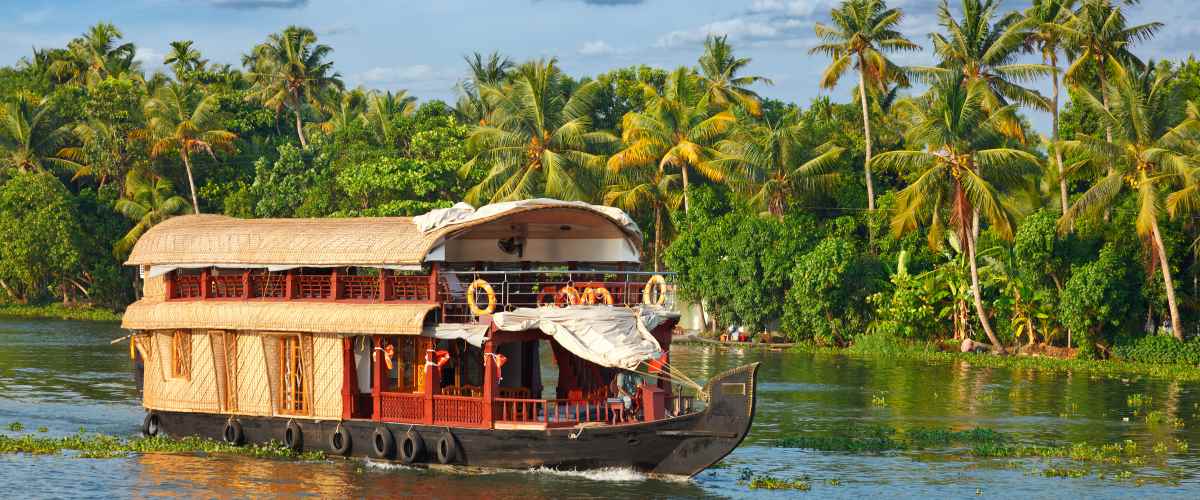
Kerala:Known for its backwaters, Ayurvedic resorts, and lush greenery.
Rajasthan:Full of desert landscapes, historic forts, and vibrant culture.
Himachal Pradesh:The place for mountain lovers and adventure seekers, with places like Manali, Leh, and Shimla.
Madhya Pradesh:Known for its ancient temples and wildlife parks (e.g., Khajuraho, Kanha National Park).
Discover India’s Golden Triangle with Ranthambore – 7N/8D

Cultural Highlights

Festivals: India celebrates a wide range of festivals, includingDiwali (Festival of Lights), Holi (Festival of Colors), Durga Puja, and Onam.
Cuisine :Indian food is diverse—each region has its own specialty. From North Indian butter chicken and Biryani in Hyderabad to South Indian dosas and idlis, the food is a huge part of the experience.
Temples & Spirituality:India is the birthplace of major religions like Hinduism, Buddhism, and Sikhism, so there are countless temples, mosques, and spiritual sites across the country.

Getting Around India

Trains: India has one of the largest and most diverse rail networks in the world. It's an inexpensive way to travel long distances but can be crowded and slow.
Domestic Flights:If you're short on time, flying between major cities is efficient and relatively affordable.
Buses:They connect even the most remote places, but they can be a bumpy ride
Taxis & Rickshaws:Common in cities, but make sure to agree on a fare beforehand or use metered taxis/rideshare apps.

Unique Experiences

Stay in a Heritage Hotel:Many palaces and forts have been converted into luxury hotels. Stay in places like the Taj Lake Palace in Udaipur for a royal experience.
Ayurveda:Kerala is known for its wellness retreats offering Ayurvedic massages and treatments
Camel Safari:In Rajasthan’s Thar Desert, you can go on a camel safari for a truly unique experience.
Yoga:Rishikesh, often called the Yoga capital of the world, is a great place to take yoga classes or just relax by the Ganges River.

What to Pack

Clothing:India’s climate can vary dramatically depending on the region and time of year. Lightweight clothing for the heat is essential, but also pack layers for cooler mountain regions.
Footwear:Comfortable shoes are a must, especially if you're planning to visit temples or walk through crowded markets.
Adapter:: India uses the Type C and Type D plugs (220V, 50Hz), so bring the right adapter for your electronics.
Cash & Cards:While digital payments are widely accepted, always carry some cash (Indian Rupees) as small shops or markets may not accept cards.

Language

India has 22 official languages, but the most widely spoken are Hindi and English. English is commonly used in major cities, but learning a few words in Hindi or the local language can be appreciated.

Responsible Travel

India is a country of contrast, and it’s important to travel responsibly. Respect local customs and traditions, especially when visiting religious sites. Consider supporting local artisans, businesses, and sustainable tourism initiatives.

Travel Insurance

Having travel insurance that covers medical emergencies, trip cancellations, and lost belongings is always a good idea when traveling abroad.

Would you like more details about any particular region, activity, or travel logistics in India? Let us know if you need help with itineraries or advice on specific aspects of your trip!